

Bandicoots, once considered extinct on mainland Australia, take major steps towards life in the wild
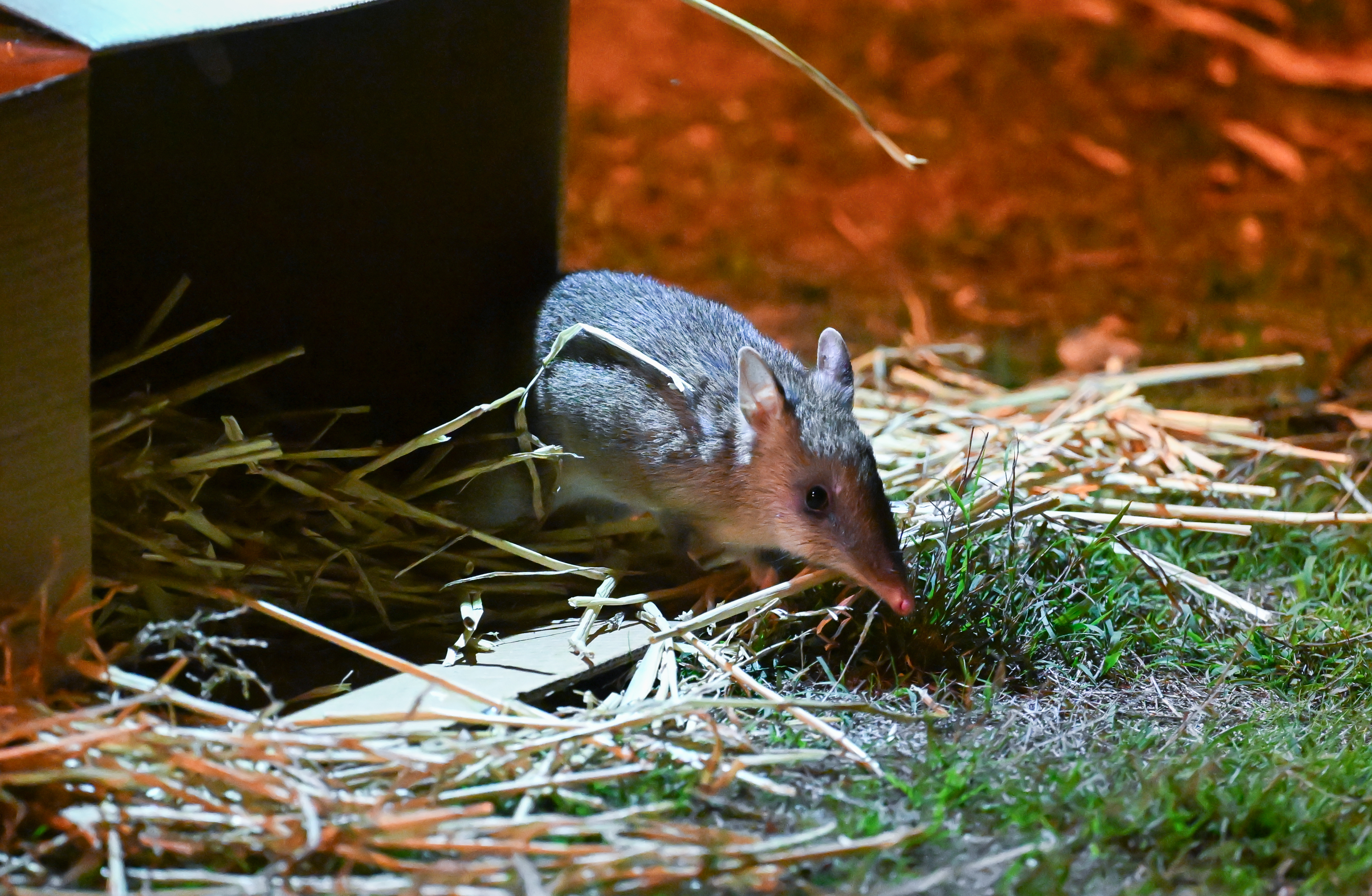
Amazon’s Right Now Climate Fund supports the release of up to 100 eastern barred bandicoots from managed breeding into open, self-sustaining environments
This world-leading genetic rescue programme is pioneered by Australia’s Odonata Foundation and Recovery Team partners.
AUSTRALIA – APRIL 2026: A species once declared extinct on mainland Australia takes its most significant step towards recovery yet. Conservationists are releasing up to 100 eastern barred bandicoots, carefully bred to be better equipped for survival, onto Phillip Island, a populated coastal island near Melbourne in Australia.
The animals have a fighting chance of survival thanks to a world-first genetic rescue programme, led by Odonata Foundation, Cesar Australia and the Eastern Barred Bandicoot Recovery Team. Since 2004, conservationists have been carefully breeding the marsupials, growing the population to a community of over 2,000 individuals in safe havens. Amazon's Right Now Climate Fund invested AU$2.5 million to help restore populations of endangered species, as well as support the largest-ever reintroduction of eastern barred bandicoots in the wild in Australia.
“Thirty years ago these bandicoots were gone from mainland Australia. What makes their recovery incredible is the science behind it - a genetic rescue programme which is science-backed, scalable and transformative for conservation,” said Michael Miller, spokesperson for Amazon’s Right Now Climate Fund. "The same methodology could help save endangered animals all over the world."
Why these bandicoots are different – and why it matters
Once widespread across southeastern Australia, eastern barred bandicoots are powerful ecosystem engineers, each burrowing through up to three tonnes of soil a year which improves soil health, seed dispersal, water retention and nutrient cycling, strengthening landscapes against flood and drought.
By the late 1980s, just 60 remained, surviving among abandoned cars in a rubbish tip in Hamilton, Victoria. These survivors were moved into captivity for breeding and by 1991, they were declared extinct in the wild.
"The most powerful part of this story is genetic rescue,” said Dr Andrew Weeks, Director Cesar Australia and Science Advisor to Odonata. “Through a world-first gene mixing approach, we've built a fit, feisty bandicoot population with far greater genetic health and a much better chance of survival than their inbred predecessors".
Previous attempts to release descendants of these animals into the wild failed to thrive due to genetic inbreeding, even with predators removed. With fewer to mate with, genetic faults known as ‘undershot jaw’ appeared among the population, making it harder to dig, or grasp and chew food.
From extinct to endangered
Odonata Foundation’s work is based on breeding eastern barred bandicoot populations from mainland Australia with those from Tasmania – two genetically distinct populations which had been isolated from each other for over 10,000 years. By diversifying and strengthening their gene pool, and by selectively breeding females with larger males, Odonata and the Recovery Team has created a fitter, healthier population of animals with greater genetic diversity, more balanced sex ratios, and increased size.
On top of that, by relocating these more resilient bandicoots to a minimum of five different sites in Australia, Odonata Foundation is creating genetically diverse populations with a significantly higher chance of survival. This approach – aiming to build a population of at least 500 animals across a minimum of five different locations – is known as their '500-in-5 Species Recovery Model’, ensuring that as well as being healthy, animals are geographically dispersed and less likely to be wiped out by natural disaster.
"The model itself is a first-of-its-kind in conservation, and we couldn’t have done it without funding from Amazon’s Right Now Climate Fund,” explains Matt Singleton, Chief Operating Officer at the Odonata Foundation. “Unlike traditional captive breeding programmes, our approach produces resilient, fit, and adaptable populations that are genuinely primed for release beyond safe havens into the future."
Over the next three years, eastern barred bandicoots released onto islands off the Victorian coast and further sites and will be closely monitored through ongoing genetic testing to assess whether the population has stabilised.
“This milestone marks the culmination of many years of dedication and collaboration by the Recovery Team,” added Singleton. “We are also deeply grateful to the Eastern Maar and Bunurong Traditional Owners for their ongoing support in the recovery of this unique and highly significant species with which they have a deep connection, and for the role they have played in helping make this release possible”.
Amazon's Right Now Climate Fund supports projects that protect and restore nature around the world. By granting AU$2.5 million to the vital conservation work conducted by the Odonata Foundation, Amazon is helping to protect nine critically endangered Australian species – including eastern quolls, eastern barred bandicoots, southern brush-tailed rock-wallabies, bush stone-curlews, and eastern bettongs – many of which had disappeared entirely from mainland Australia. The investment is part of Amazon's broader goal to address climate change and biodiversity loss, and its Climate Pledge goal to reach net zero carbon across its operations by 2040.
Learn more about how Amazon supports the Odonata Foundation to save critically endangered species here.
The following groups and organisations form the Eastern Barred Bandicoot Recovery Team and have been integral to their recovery:
|
|
About Amazon
Amazon is guided by four principles: customer obsession rather than competitor focus, passion for invention, commitment to operational excellence, and long-term thinking. Amazon strives to be Earth’s Most Customer-Centric Company, Earth’s Best Employer, and Earth’s Safest Place to Work. Customer reviews, 1-Click shopping, personalized recommendations, Prime, Fulfillment by Amazon, AWS, Kindle Direct Publishing, Kindle, Career Choice, Fire tablets, Fire TV, Amazon Echo, Alexa, Just Walk Out technology, Amazon Studios, and The Climate Pledge are some of the things pioneered by Amazon. For more information, visit amazon.com/about and follow @AmazonNews.
About Amazon’s Right Now Climate Fund
In 2019, Amazon created the Right Now Climate Fund (RNCF), a $100 million initiative supporting climate resilience and nature conservation in communities around the world. This fund finances nature-based solutions that complement Amazon’s broader operational decarbonisation and sustainability efforts. Nature-based solutions are conservation, restoration, and improved land and ocean management activities that increase carbon storage in areas such as forests, wetlands, peatlands, marine areas, and grasslands around the world. These solutions provide additional benefits to preserve the natural world, such as conserving wildlife habitats, protecting biodiversity, improving water quality, and reducing flood risk. All of these benefits can enhance well-being and improve the ability of communities to adapt and mitigate the impacts of climate change.
About Odonata Foundation
Odonata Foundation, a leading Australian environmental conservation charity, is dedicated to reversing Australia's alarming record as the world leader in mammal extinctions. With a focus on recovering nine core species, Odonata employs its scientifically backed ‘500-in-5 Species’ Recovery
Model, developed in collaboration with Dr Andrew Weeks, to rebuild genetic resilience, create feral-free habitats, and maintain healthy populations across multiple sites. This approach not only protects against climate-related disasters but also harnesses the ecosystem engineering capabilities of unique Australian animals to enhance soil health, carbon sequestration, and agricultural productivity.
Collaborating with scientists, landholders, and aligned organisations, Odonata's innovative model invites private landowners to participate in conservation efforts alongside their existing operations. The foundation's achievements include contributing to the downlisting of the eastern barred bandicoot from 'extinct in the wild' to 'endangered' and leading a successful breeding program for the critically endangered southern brush-tailed rock-wallaby. Through initiatives like the Odonata Academy, the organisation continues to empower landholders to rebuild threatened species populations while exploring sustainable income streams in emerging nature repair markets.